As a cancer survivor myself, I understand how overwhelming a cancer diagnosis can feel. When faced with uncertainty, many of us search for answers online, often coming across articles and social media posts claiming to reveal "hidden truths" about cancer.
While some of these claims contain elements of truth, others can be misleading or oversimplified. Understanding the facts can help us make informed decisions about our health and wellbeing.

1. We All Develop Abnormal Cells
One claim often made is that everyone has cancer cells in their body.
A more accurate statement is that our bodies regularly produce abnormal cells. Fortunately, our immune system is incredibly effective at identifying and destroying many of these cells before they become problematic.
Cancer develops when certain abnormal cells acquire mutations that allow them to grow uncontrollably and evade the body's natural defence mechanisms.
2. Cancer Usually Develops Over Time
Most cancers do not appear overnight.
Many cancers develop gradually over several years, sometimes even decades. This is one reason why screening programmes, regular check-ups and awareness of symptoms can be so important.
Early detection often leads to more treatment options and better outcomes.
3. Does Sugar Feed Cancer?
This is one of the most common cancer myths.
Cancer cells do use glucose for energy. However, so do healthy cells throughout the body. Simply eliminating sugar from your diet will not "starve" cancer.
What is true is that maintaining a healthy weight, reducing excessive consumption of highly processed foods and following a balanced diet can support overall health and may help reduce cancer risk.
4. Lifestyle Matters
Research suggests that many cancers are influenced by lifestyle and environmental factors, including:
- Smoking
- Excessive alcohol consumption
- Obesity
- Poor diet
- Lack of physical activity
- Excessive sun exposure
However, it is important not to blame people who develop cancer. Many individuals live healthy lifestyles and still receive a diagnosis due to genetic, environmental or simply unknown factors.
5. Genetics Play a Role
While most cancers are not directly inherited, genetics can increase risk.
As a BRCA gene carrier myself, I understand how genetic factors can influence cancer risk. Certain inherited gene mutations can significantly increase the likelihood of developing particular cancers.
Understanding your family history can be an important part of prevention and early detection.
In a future post, I'll be sharing my personal journey of discovering that I carry the BRCA gene mutation. I'll explain how I found out, the decisions I made after receiving the diagnosis, and how that information shaped my healthcare choices moving forward.
I'll also cover how you can access BRCA testing yourself, who may be eligible, and what it really means to be a BRCA gene carrier. Most importantly, I'll discuss the options available once you receive your results and how understanding your genetic risk can help you make informed decisions about your health and future.
Knowledge is power, and I hope that by sharing my experience, I can help others navigate this journey with greater confidence and understanding.
If this is something you would find helpful, please leave me a comment below. I'd also love to hear any specific questions you have about BRCA testing, genetic risk, or living as a BRCA gene carrier. Your questions may help shape future posts and ensure I cover the topics that matter most to you. 💗
6. The Immune System Is Remarkable
Modern immunotherapy treatments have transformed cancer care for many patients.
These treatments work by helping the immune system recognise and attack cancer cells more effectively. In some cancers, immunotherapy has produced remarkable long-term results.
However, it is important to remember that every person's cancer journey is different, and treatments work differently for different individuals.
7. Vitamin D and Health
Vitamin D plays an important role in immune function, bone health and overall wellbeing.
Some studies suggest there may be links between low Vitamin D levels and certain cancers, although research is ongoing. Maintaining healthy Vitamin D levels is sensible for overall health, particularly in countries with limited sunlight during winter months.
8. Gut Health Matters
Researchers are increasingly discovering links between gut health and the immune system.
A healthy and diverse gut microbiome may influence inflammation, immune function and overall wellbeing. While the science is still evolving, eating a varied diet rich in fibre, fruit, vegetables and fermented foods may support a healthy gut.
9. Mental Wellbeing Matters Too
One fact that is often overlooked is the impact cancer has on emotional well-being.
Fear, uncertainty, anxiety and grief are common experiences following a diagnosis.
Supporting your mental health is just as important as supporting your physical health. Speaking with loved ones, joining support groups, seeking professional help and practising self-care can all play valuable roles during and after treatment.
10. Prevention Is Powerful
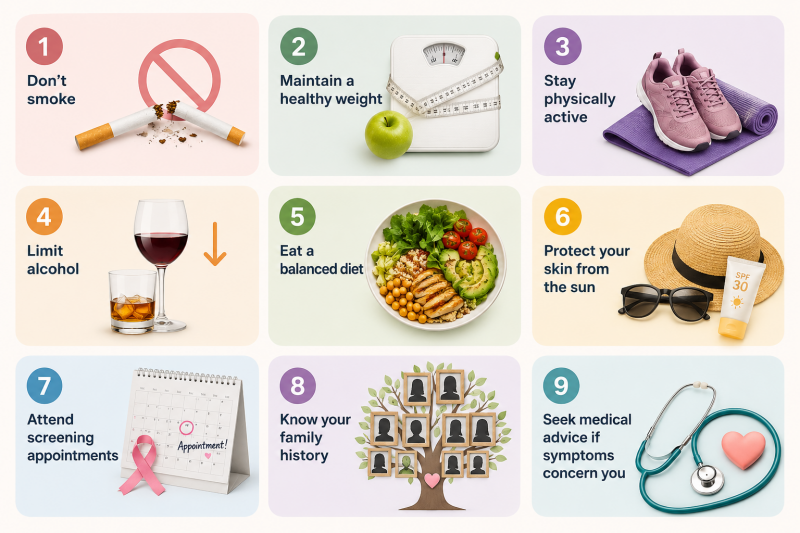
Although not all cancers can be prevented, there are practical steps that may reduce risk:
- Don't smoke
- Maintain a healthy weight
- Stay physically active
- Limit alcohol
- Eat a balanced diet
- Protect your skin from the sun
- Attend screening appointments
- Know your family history
- Seek medical advice if symptoms concern you
Final Thoughts
Cancer is a complex disease. There are no simple answers, miracle cures or single causes.
What we do know is that our daily habits matter, early detection matters, and supporting both physical and emotional well-being can make a significant difference.
As someone who has walked this path personally, I believe knowledge is empowering, but it should always be balanced with compassion, evidence and hope.
No matter where you are on your journey, remember that you are more than a diagnosis and you are stronger than you realise. 💗
Add comment
Comments